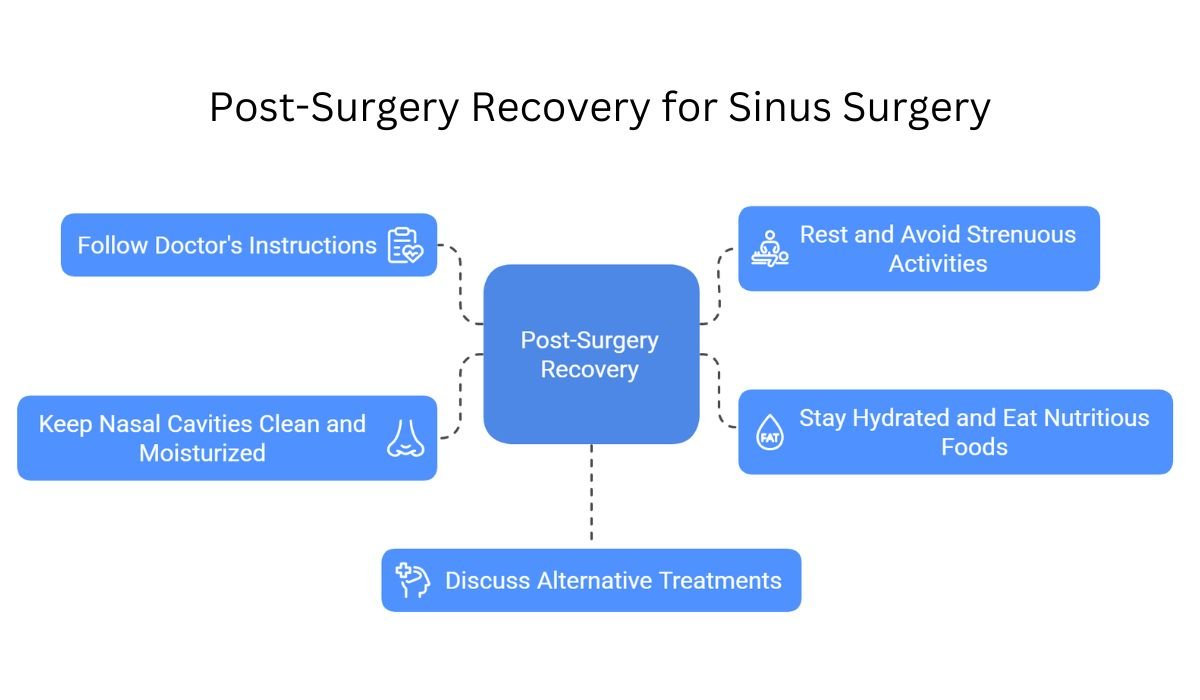
The relief after sinus surgery can be profound, offering a breath of fresh air—literally. But the journey to a completely clear, comfortable airway doesn't end when you leave the operating room. In fact, the weeks and months following your procedure, known as Sinus Surgery Recovery and Aftercare, are just as critical to your long-term success. Think of recovery not as a passive wait, but as an active, guided process to ensure optimal healing, prevent complications, and ultimately, help you achieve the lasting comfort you've been seeking.
This isn't just about avoiding problems; it's about empowering your body to heal efficiently and effectively, transforming a surgical intervention into a gateway for better health.
At a Glance: Your Recovery Roadmap
- Prioritize Rest: Elevate your head, especially when sleeping, to reduce swelling.
- Manage Pain Mindfully: Use prescribed medications or doctor-approved OTC pain relievers (avoid NSAIDs like ibuprofen or aspirin).
- Master Nasal Care: Gentle saline rinses are key. Do NOT blow your nose vigorously.
- Stay Hydrated & Nourished: Water and a balanced diet support healing.
- Avoid Strenuous Activity: No heavy lifting or intense exercise for at least two weeks.
- Beware of Irritants: Steer clear of smoke, dust, chlorine, and even spicy foods.
- Follow Doctor's Orders: Adhere strictly to medication schedules and all follow-up appointments.
- Watch for Warning Signs: Know when to contact your doctor immediately for unusual pain, bleeding, or fever.
Before Your Journey Begins: Setting the Stage for Healing
A smooth recovery often starts before the surgery even begins. Preparing adequately can significantly ease your post-operative experience.
Consult Your Medical Team Thoroughly
This is your primary step. Discuss every medication you're currently taking—prescribed, over-the-counter, supplements, and herbal remedies. Some, especially blood thinners like aspirin or ibuprofen (NSAIDs), may need to be adjusted or stopped well in advance to minimize bleeding risk during and after surgery. Your doctor will provide precise instructions tailored to your health history.
Hit Pause on Smoking and Alcohol
Both smoking and alcohol can significantly impede your body's healing process. They can reduce blood flow, increase inflammation, and elevate the risk of complications. Aim to stop using them for at least two weeks before your surgery, and ideally, continue to abstain throughout your recovery.
Prepare Your Sanctuary: Your Home Environment
Think of your home as your recovery hub. Stock up on essential supplies:
- Saline Nasal Spray/Rinse Kit: As recommended by your doctor.
- Humidifier: To keep your nasal passages moist and comfortable.
- Soft Tissues: For gentle dabbing, not vigorous blowing.
- Pain Relievers: Ensure you have acetaminophen (Tylenol) on hand, after confirming with your doctor that it's appropriate for you. Remember, avoid NSAIDs unless specifically instructed otherwise.
- Comfort Items: Pillows to elevate your head, light reading, entertainment.
Arrange for Post-Op Transportation and Support
You will not be able to drive yourself home after surgery due to anesthesia. Arrange for a trusted friend or family member to pick you up. It's also wise to have someone available to help you for the first 24-48 hours post-surgery, as you'll be feeling the effects of anesthesia and initial discomfort.
The Immediate Aftermath: Rest, Elevation, and Gentle Beginnings
The first few days after sinus surgery are all about giving your body the best possible environment to begin its repair work.
Prioritize Rest and Elevate Your Head
Think of rest as your superpower during recovery. Your body needs energy to heal, and that comes from ample sleep and quiet downtime. When resting or sleeping, always elevate your head significantly. Using two or three pillows, or even sleeping in a recliner, can help reduce swelling in your nasal passages and promote drainage, making you more comfortable and aiding the healing process.
Avoid Strenuous Activities: Guard Your Healing Sinuses
For at least two weeks, and often longer, you'll need to put a firm pause on vigorous physical activities. This means no heavy lifting, intense exercise, competitive sports, or anything that causes you to bend over repeatedly. Such activities can increase blood pressure, which in turn can lead to bleeding in the delicate surgical site or increase pressure in your sinuses, potentially disrupting healing. Your doctor will provide specific timelines for when you can gradually resume physical activities. When you're considering if sinus surgery is worth it, remember that dedicated recovery time is a crucial part of the investment.
Mastering Pain Management
Some degree of pain, pressure, and general discomfort is normal after sinus surgery. It's not a sign that something is wrong, but rather a natural part of the healing process.
Your Prescription and OTC Allies
Your surgeon will likely prescribe pain medication to help manage the initial discomfort. Take it exactly as directed. For milder pain, or once you're off prescription medication, acetaminophen (Tylenol) is generally recommended.
Crucially, avoid NSAIDs (non-steroidal anti-inflammatory drugs) like aspirin, ibuprofen (Advil, Motrin), and naproxen (Aleve) unless explicitly told otherwise by your doctor. These medications can thin your blood and significantly increase the risk of post-operative bleeding, which can complicate your recovery. Always double-check with your doctor before taking any new medication during your recovery period.
Your New Nasal Care Routine: The Cornerstone of Recovery
Proper nasal care is arguably the most vital aspect of sinus surgery aftercare. It helps keep your nasal passages clean, moist, and free from crusting, which is essential for healing and preventing infection.
Do NOT Blow Your Nose Vigorously
This is perhaps the most important instruction you'll receive. For at least the first week, and sometimes longer, avoid blowing your nose forcefully. Doing so can cause bleeding, dislodge clots, or disrupt the healing tissues. If you feel the urge to sneeze, try to open your mouth to dissipate the pressure. For any discharge, gently dab your nostrils with a soft tissue.
Embrace Saline Nasal Rinses
Your doctor will likely prescribe a specific saline nasal spray or rinse regimen. This is your most powerful tool for keeping your nasal passages clean and moist. Saline rinses help remove blood clots, mucus, and crusting that can form after surgery, allowing the delicate tissues to heal properly. Follow the instructions meticulously regarding frequency and technique. Often, you'll start these rinses within a day or two after surgery.
Humidify Your Environment
Dry air can be irritating to healing nasal tissues. Using a humidifier in your bedroom, especially at night, can help keep the air moist, preventing your nasal passages from drying out and promoting comfort. Keep the humidifier clean to avoid introducing bacteria into the air.
Products to Avoid During Recovery
Not all nasal products are created equal during recovery. Steer clear of:
- Decongestant Nasal Sprays (unless prescribed): Products like Afrin can cause rebound congestion and are generally not recommended after surgery, as they can interfere with healing.
- Scented Tissues or Wipes: Fragrances can be irritating to sensitive nasal linings.
- Alcohol-based Wipes: These can dry out and irritate your skin.
- Overly Aggressive Saline Rinses: While saline is good, follow your doctor's instructions for pressure and frequency. Too much force can be counterproductive.
Nourishing Your Recovery: Hydration and Diet
What you put into your body plays a supporting role in your recovery. Simple, healthy habits can make a difference.
Stay Abundantly Hydrated
Drinking plenty of water is always a good idea, but especially so after surgery. Proper hydration helps keep your mucus thin, making it easier for your body to clear your nasal passages naturally. Aim for several glasses of water throughout the day.
Opt for a Well-Balanced Diet
Focus on nutrient-rich foods that support healing. Lean proteins, plenty of fruits and vegetables, and whole grains provide the vitamins, minerals, and building blocks your body needs to repair tissues. Avoid overly processed foods, which can contribute to inflammation.
Steering Clear of Irritants and Obstacles
Beyond what you consume, your environment and certain habits can also impact your healing.
Avoid Spicy Foods and Hot Temperatures
Spicy foods can irritate nasal passages and potentially trigger an increase in mucus production or even sneezing, which you want to avoid. Similarly, very hot showers or steam rooms can increase inflammation and swelling in the nasal passages. Stick to lukewarm showers and avoid steam for a few weeks.
Protect Yourself from Environmental Irritants
Your healing sinuses are particularly vulnerable to irritants. Avoid:
- Smoke (including secondhand smoke): Highly irritating and damaging to respiratory tissues.
- Dust: Can clog nasal passages and irritate sensitive linings.
- Strong Odors/Chemical Fumes: Like cleaning products, paints, or perfumes.
- Chlorine: Found in swimming pools, it's very harsh on nasal tissues. Avoid swimming until your doctor gives you the green light, which is typically several weeks post-op.
Navigating Your Return to Life: Activity Timelines
Resuming your normal routine is a gradual process. Listen to your body and always follow your doctor's specific guidance.
Work and School: A Phased Return
Most patients find they can return to work or school by the end of the first week, especially if their job is not physically demanding. If your work involves strenuous activity, heavy lifting, or exposure to dust or fumes, you might need a longer break or modified duties. Discuss your specific job requirements with your doctor.
Exercise and Physical Activity: Slow and Steady
While you'll need to avoid strenuous activity for at least two weeks, light walking is usually encouraged soon after surgery to promote circulation. Gradually ease back into more intense exercise only after your doctor's approval. Pushing too hard, too soon, can lead to complications.
Air Travel: Take a Pause
Changes in cabin pressure during air travel can be uncomfortable and potentially harmful to healing sinuses. It's generally advised to wait at least two weeks before flying, and always consult your doctor beforehand. They may recommend specific nasal sprays or decongestants for flights once approved.
Full Recovery: The Long View
While initial recovery often takes 1-2 weeks, full internal healing and the lifting of all activity restrictions typically take around six weeks. However, the benefits of the surgery and complete stabilization of your sinuses can continue for several months. Regular follow-up appointments are crucial to monitor your progress and ensure you're healing optimally. For many, the long-term benefits truly demonstrate why sinus surgery is worth it for chronic sinus issues.
Knowing When to Call for Help: Warning Signs You Can't Ignore
While sinus surgery is generally safe, it's important to be aware of potential complications and know when to seek immediate medical attention.
Contact your doctor without delay if you experience any of the following:
- Persistent or Worsening Pain: While some pain is normal, if it intensifies significantly or doesn't improve with medication, it could indicate a problem.
- Heavy Bleeding: Some bloody discharge or spotting is normal for the first 24-48 hours. However, heavy, bright red bleeding that doesn't slow down, or soaking through dressings quickly, warrants immediate medical attention.
- High Fever (above 101°F or 38.3°C): A fever can be a sign of infection.
- Extreme Fatigue or Weakness: While feeling tired is normal, extreme or debilitating fatigue could be a red flag.
- Foul-Smelling Nasal Discharge: This is a strong indicator of infection and requires prompt treatment.
- Sudden Vision Changes or Eye Pain: Though rare, this can be a serious complication.
- Significant Swelling Around the Eyes or Forehead: Also a sign that needs urgent evaluation.
These symptoms could indicate an infection, significant bleeding, or other complications that require immediate professional assessment and intervention. Never hesitate to reach out to your medical team with any concerns. Your doctor is your best resource for navigating any unexpected issues during this period.
Looking Ahead: Sustaining Your Sinus Health Post-Surgery
Your recovery journey doesn't end when you resume all normal activities. Maintaining good sinus health is an ongoing commitment.
Adhere to All Follow-Up Appointments
These appointments are not optional; they are vital. Your surgeon needs to monitor your healing, clear any remaining crusting or scar tissue (a process called debridement), and ensure your nasal passages remain open. Skipping these can hinder your long-term success. Over time, you'll discover that a diligent approach to your aftercare truly confirms that sinus surgery is worth it for improving quality of life.
Continue Good Nasal Hygiene
Even after full recovery, many people find continued use of saline nasal rinses beneficial for maintaining clear and healthy sinuses, especially during allergy season or in dry environments. Discuss long-term nasal care strategies with your doctor.
Lifestyle Choices for Long-Term Wellness
Support your overall health to support your sinus health. This includes:
- Avoiding known allergens and irritants.
- Maintaining good hydration.
- Eating a balanced diet.
- Exercising regularly.
- Managing stress.
Final Thoughts: Your Partner in Healing
Sinus surgery recovery and aftercare demand patience and strict adherence to medical advice, but the rewards—clearer breathing, reduced infections, and an improved quality of life—are well worth the effort. By understanding what to expect, actively participating in your recovery, and communicating openly with your healthcare team, you're not just healing; you're building a foundation for healthier sinuses and a more comfortable future. You've made a significant investment in your health, and by carefully following these guidelines, you'll maximize your chances for a successful outcome, demonstrating clearly that for many, sinus surgery is worth it.